1. Identify and remove problem bears
The first step in solving a problem is identifying the cause. Analyses are normally accomplished by studying detailed statistics on the issue. However, the South Lake Tahoe Police Department has never kept very good records on bear incidents, and now, I have been told, has even stopped taking reports altogether. We need a City directive that the police department keeps more accurate and detailed records on bear incidents like they would any other criminal activity.
We also need to be more supportive of monitoring the bears so that unwanted behaviors can be addressed quickly and we can identify which bears are causing the problem and stop it before it spreads to other bears. “Hope should not be singled out as the most notorious, incorrigible break-in bear. Other mother [bears] are all doing the same thing,” said Ann Bryant, the executive director of the BEAR League.
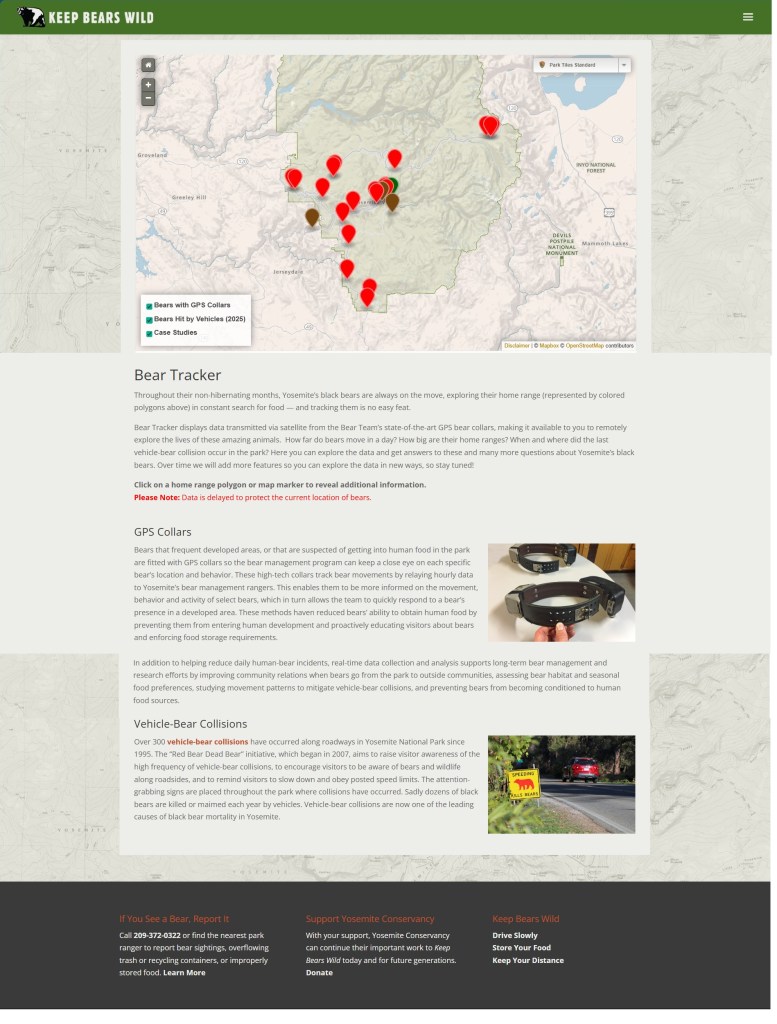
The California Department of Fish & Wildlife (CDFW) is spending a lot of money on radio tracking devices to be attached to bears so they can monitor them. This is to give them information on the whereabouts and activity of individual bears. This would also provide the opportunity to selectively administer birth control methods in order to reduce the extremely rapid increase in the black bear population that is really creating the problems.
One of the testing sites for tracking black bears is Yosemite National Park.
Bear Tracker | Keep Bears Wild
Other Solutions to the Black Bear Problem
2. Population reduction by sterilization or hunting helps control human–wildlife conflicts for a species that has already increased way too much

- Published: August 11, 2020
- https://doi.org/10.1371/journal.pone.0237274
- Abstract
- Introduction
- Materials and methods
- Results
- Discussion
- Conclusions
- Supporting information
- Acknowledgments
- References
Abstract
Among the world’s large Carnivores, American black bears (Ursus americanus) are the foremost conservation success story. Populations have been expanding across North America because the species is adaptable and tolerant of living near people, and because management agencies in the U.S. and Canada controlled hunting and other human-sources of mortality. As a result, human–black bear conflicts (damage to property, general nuisance, threat to human safety) have dramatically increased in some areas, making it urgently important to develop and deploy a variety of mitigation tools. Previous studies claimed that legal hunting did not directly reduce conflicts, but they did not evaluate whether hunting controlled conflicts via management of population size. Here, we compared temporal patterns of phoned-in complaints about black bears (total ~63,500) in Minnesota, USA, over 4 decades to corresponding bear population estimates: both doubled during the first decade. We also quantified natural bear foods, and found that large year-to-year fluctuations affected numbers of complaints; however, since this variation is due largely to weather, this factor cannot be managed. Complaints fell sharply when the management agency (1) shifted more responsibility for preventing and mitigating conflicts to the public; and (2) increased hunting pressure to reduce the bear population. This population reduction was more extreme than intended, however, and after hunting pressure was curtailed, population regrowth was slower than anticipated; consequently both population size and complaints remained at relatively low levels statewide for 2 decades (although with local hotspots). These long-term data indicated that conflicts can be kept in tolerable bounds by managing population size through hunting; but due to the bluntness of this instrument and deficiencies and uncertainties in monitoring and manipulating populations, it is wiser to maintain a population at a level where conflicts are socially-acceptable than try to reduce it once it is well beyond that point.
Why California Needs Better Bear Management—And How AB 1038 Can Help – Howl For Wildlife
3. Breeding passive bears
Italian bears living near villages have evolved to
be smaller and less aggressive, finds study
Click on link to read
https://phys.org/news/2025-12-italian-villages-evolved-smaller-aggressive.html
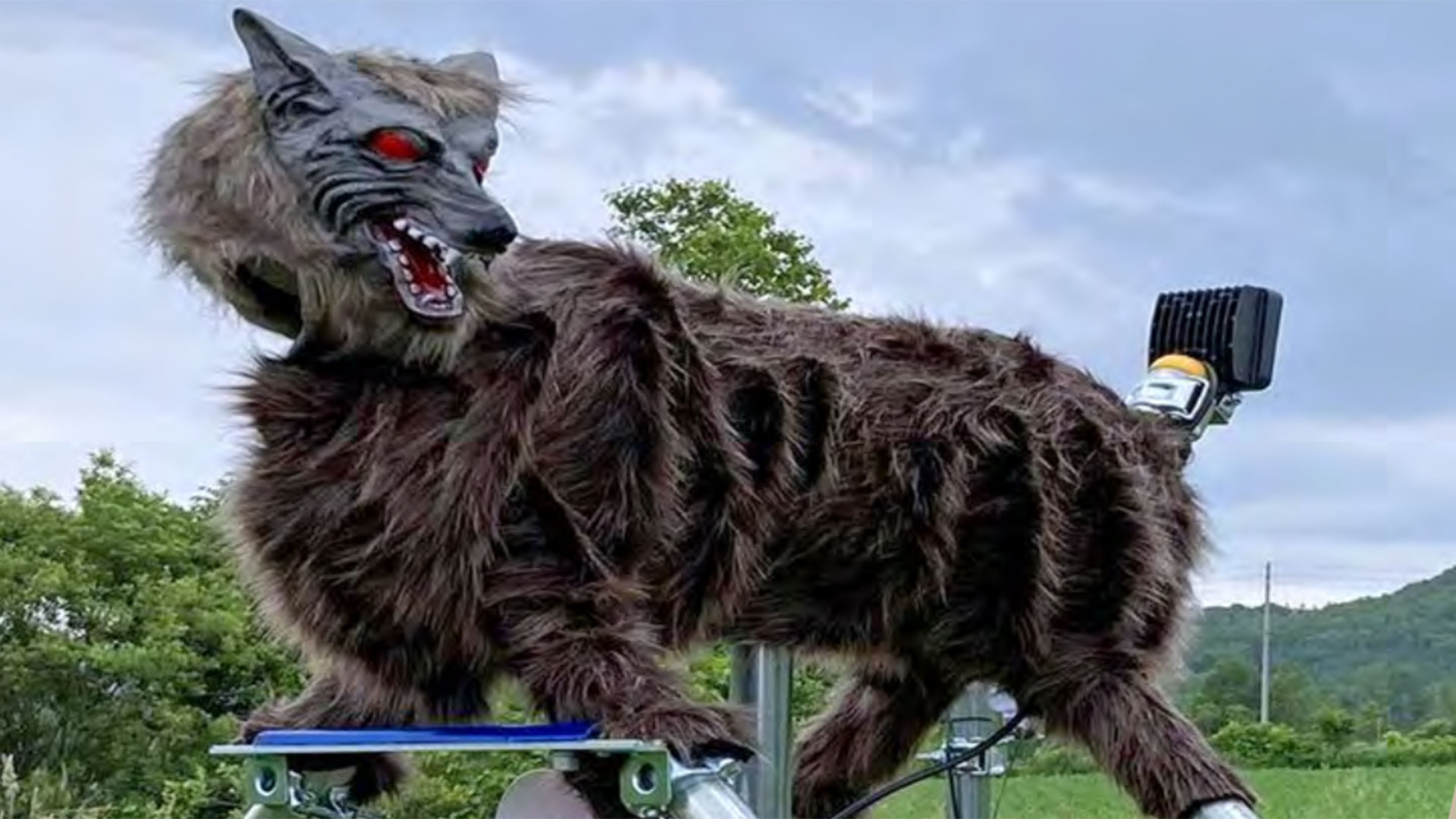
Japan can’t make robot wolves fast enough to counter the rise in bear attacks that have killed 13
By Mark Tyson published 7 hours ago
Producer has already sold more Monster Wolves this year than it usually does in a whole year.
Share this article
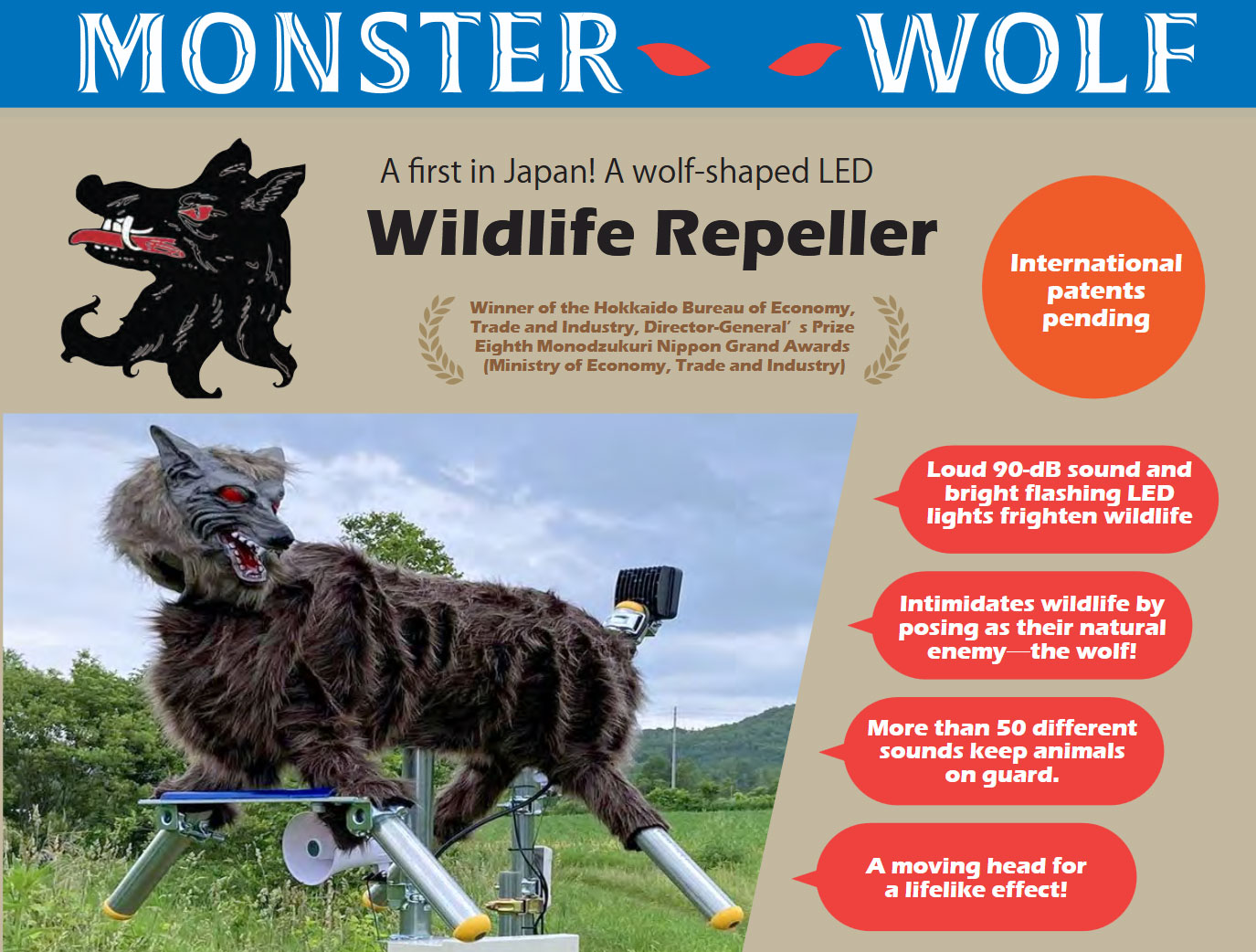
With record reports of bear attacks on humans, Japan has been increasingly turning to high-tech solutions, as you might expect. However, reports suggest that Ohta Seiki, a firm making the animatronic robot Monster Wolf to repel bears from human-habituated areas, can’t keep up with demand. “We cannot make them fast enough,” company president Yuji Ohta told AFP.
This year’s order book for Monster Wolf has already hit 50 units. Hokkaido-based Ohta Seiki usually doesn’t even manufacture that many robot wolves in a whole year. According to the latest figures, bears killed 13 people in Japan last year. That’s more than double the fatality rate from the previous year. Sightings are up, too, with 50,000 reports of bears nationwide. That figure is more than double the previous sightings record.
Of course, fatalities are a statistic at the extreme end of the situation. There are also numerous non-fatal incidents where bears have seriously injured or scarred humans, entered homes, roamed around schools, scared guests at hot spring resorts, and even rampaged through supermarkets in Japan.
‘Monster Wolf’ robot aims to spook Japan’s wildlife problem away – YouTube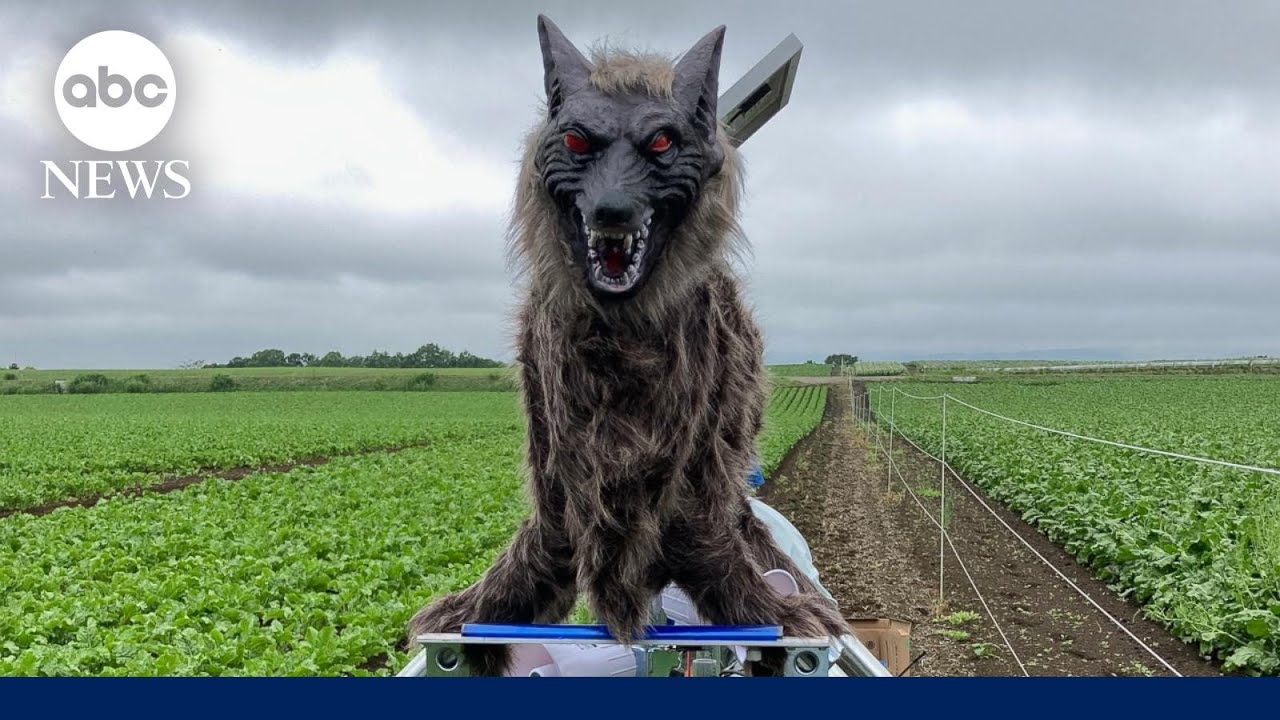
Above: A video from 2024 showing a Monster Wolf in action.
With the record upswing in bear attacks and sightings, it isn’t a big surprise that business is booming for Ohta Seiki. Its Monster Wolf product looks ferocious. The official product pages say that the robot wolf imitates its real wild world namesake, but it turns up the fear levels by “emitting intense LED lights and loud voices.” Ohta Seiki is currently asking customers to “wait two to three months” for their orders to be fulfilled.
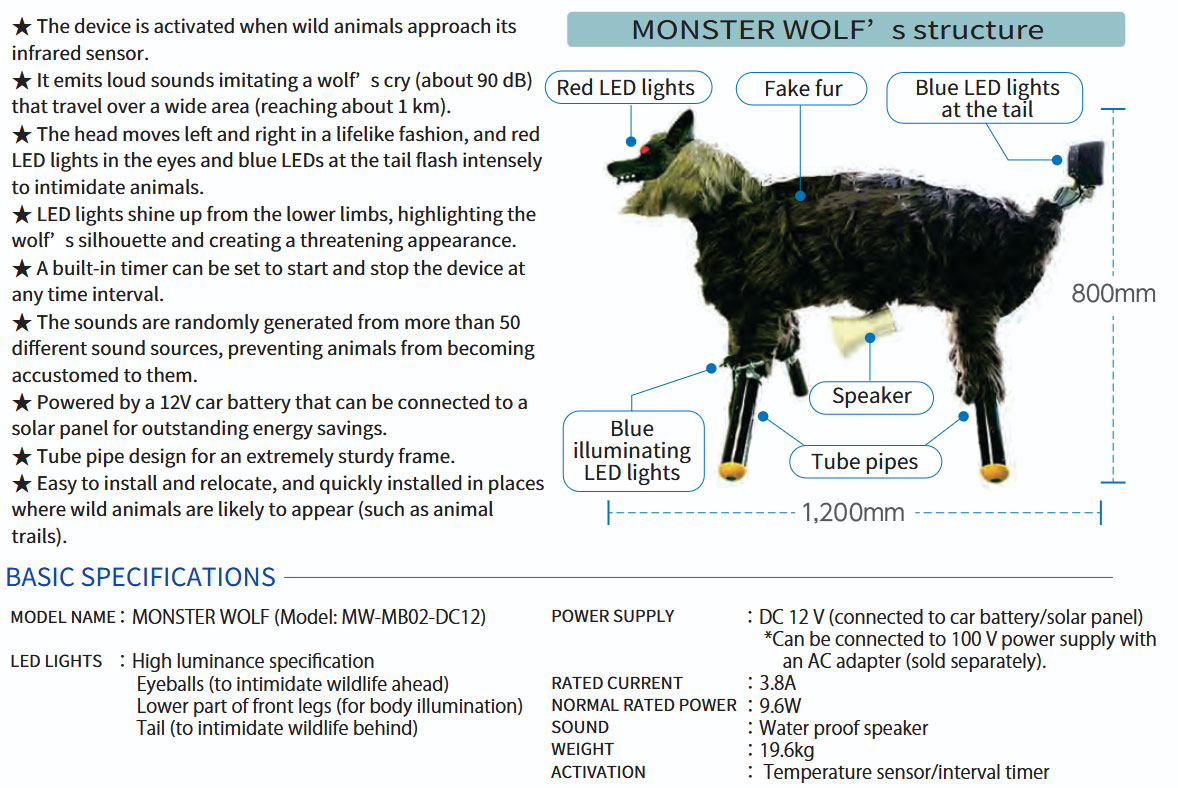
The $4,000+ Monster Wolf has an infrared sensor to detect and target wild animals with its 50 types of loud noises, glowing red eyes, blue under-lighting, and neck swinging from side to side. The robot’s traversal of the terrain (wheels are an optional upgrade), animated movements, sounds, and lighting are powered by a combination of a 12V car battery and an (optional) solar charging panel.
Ohta Seiki has plans to expand its product range with a handheld version of Monster Wolf for hikers, anglers, and schoolchildren, reports AFP. It is also looking at leveraging AI cameras to improve its anti-bear tech.
Earlier in the year, we reported on bear-repelling drones being deployed around Ishinomaki City in Miyagi Prefecture to address concerns about a “bear infestation.”
Stay On the Cutting Edge: Get the Tom’s Hardware Newsletter
Get Tom’s Hardware’s best news and in-depth reviews, straight to your inbox.By signing up, you agree to our Terms of services and acknowledge that you have read our Privacy Notice. You also agree to receive marketing emails from us that may include promotions from our trusted partners and sponsors, which you can unsubscribe from at any time.

