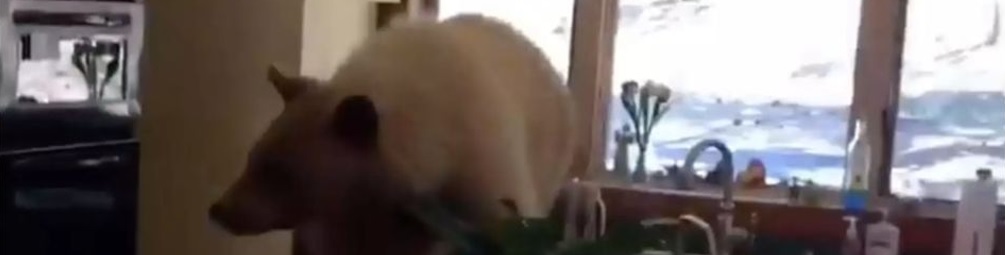
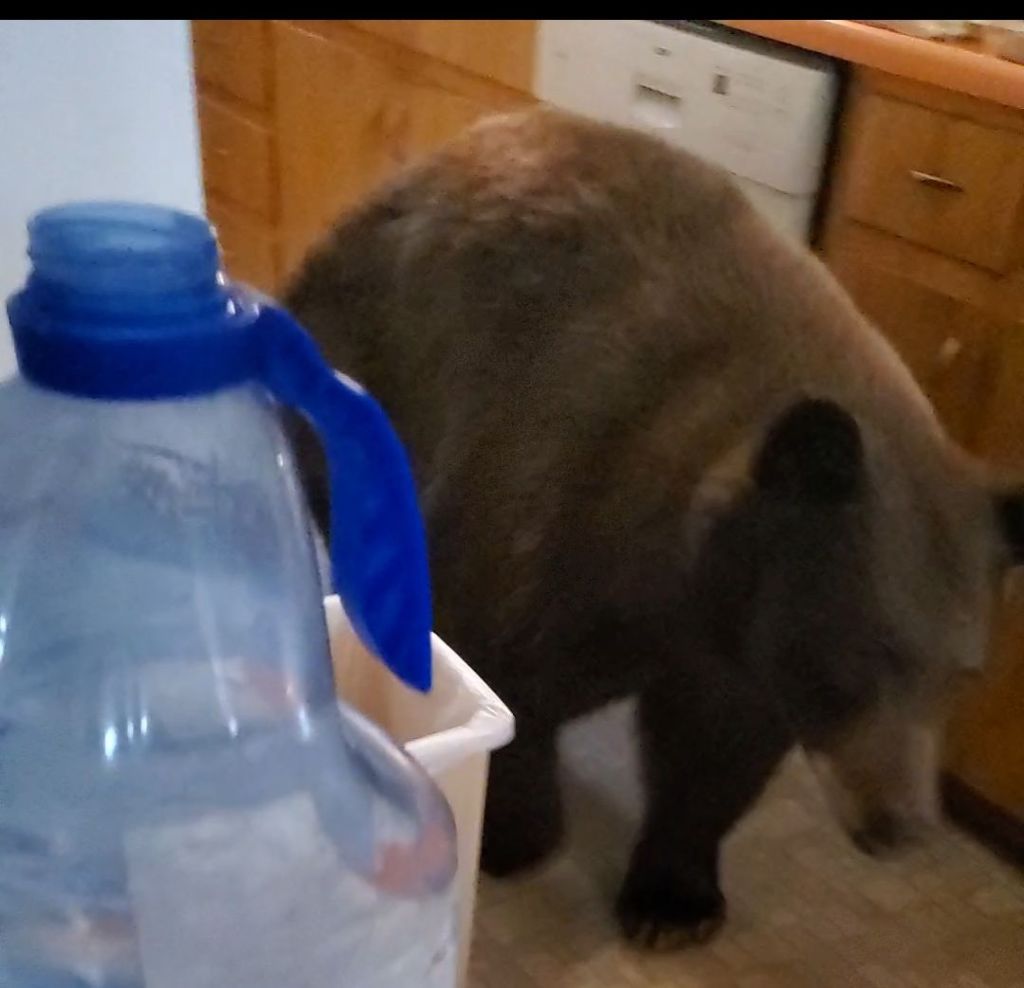
“Hope has broken into multiple homes by smashing windows,” according to Ann Bryant, the executive director of the Bear League according to a KQED news article by Katie DeBenedett. The article goes on to say that “Peter Tira, a CDFW spokesperson, said that’s made this bear “a very serious public safety situation.” “Mother bears are incredibly protective of their cubs”. Tira said Hope is different from many bears in that she breaks into homes repeatedly and is teaching her cub to do the same. “Let’s say these two bears enter a home and there’s elderly people there or children or somebody inadvertently gets in the way of the mother and cub. There’s all sorts of scenarios that could play out that we don’t want to see happen.”
That’s gotten her deemed a “conflict bear,” a CDFW designation that means she could be subject to long-term captivity, relocation or death if she comes in contact with staff.”
Some bear advocates blame people for just having food in their kitchens.
Bryant blames people cooking food in their kitchens for causing the problem. “Bears are intelligent; when they’re repeatedly lured toward people’s homes by wafts of food, they learn that humans’ kitchens are a good place to find their next meal. When a window’s open and [Hope] smells a pie inside on the counter, she’s going to go in and get it”. However if that were really the problem, bears wouldn’t be the only animals breaking into homes.
Bryant claims bears like Hope “aren’t born with an instinct to enter buildings and rummage through homes”. Bryant mistakenly claims “they’ve been conditioned to do so by tourists and others who don’t protect their homes from bears”.
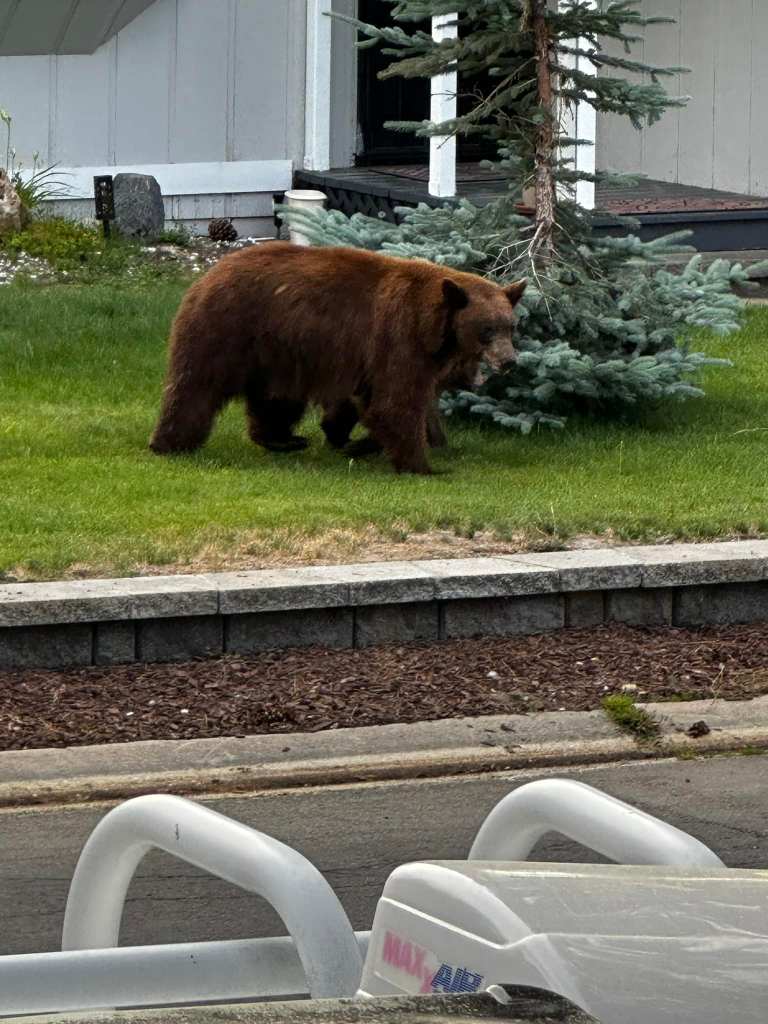
The truth is that black bears are opportunistic omnivores and scavengers that instinctively investigate everything they can in search of food. Their exceptional sense of smell, which is seven times better than a dog’s, allows them to easily locate carrion, garbage, and other high-calorie food sources. In the wild they scavenge on the carcasses of dead animals such as deer or elk, but these are not available in developed residential areas and the bears focus on human food instead.
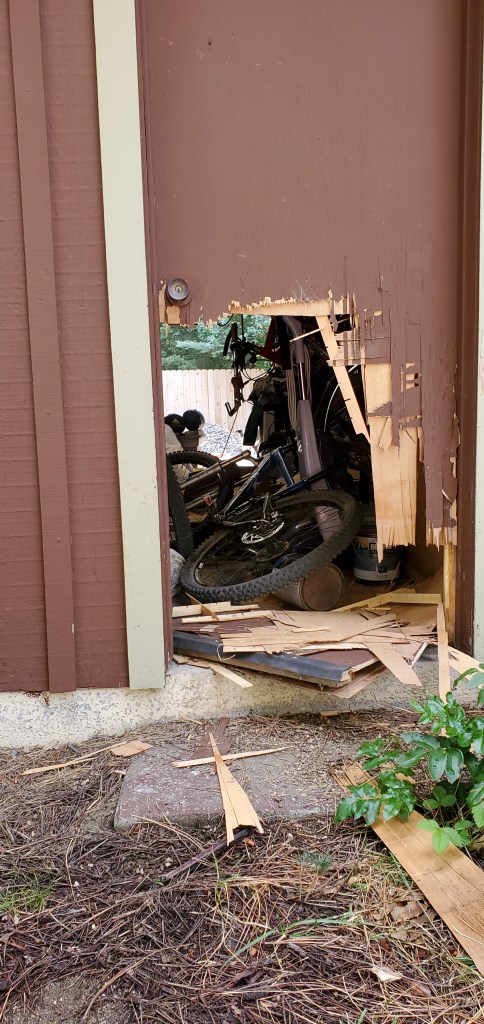
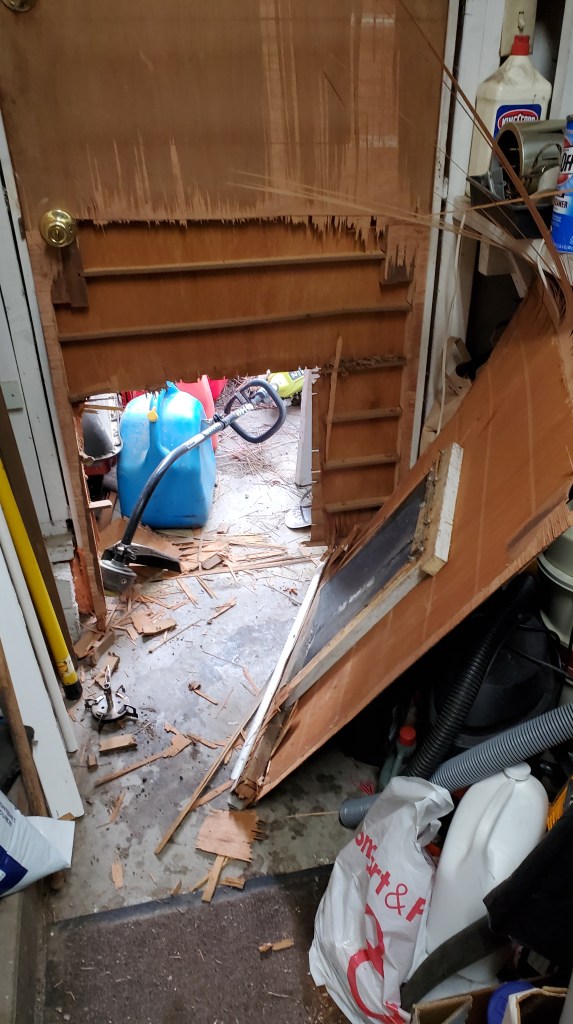
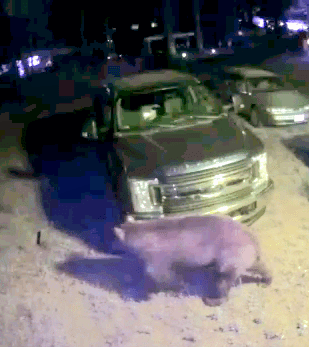

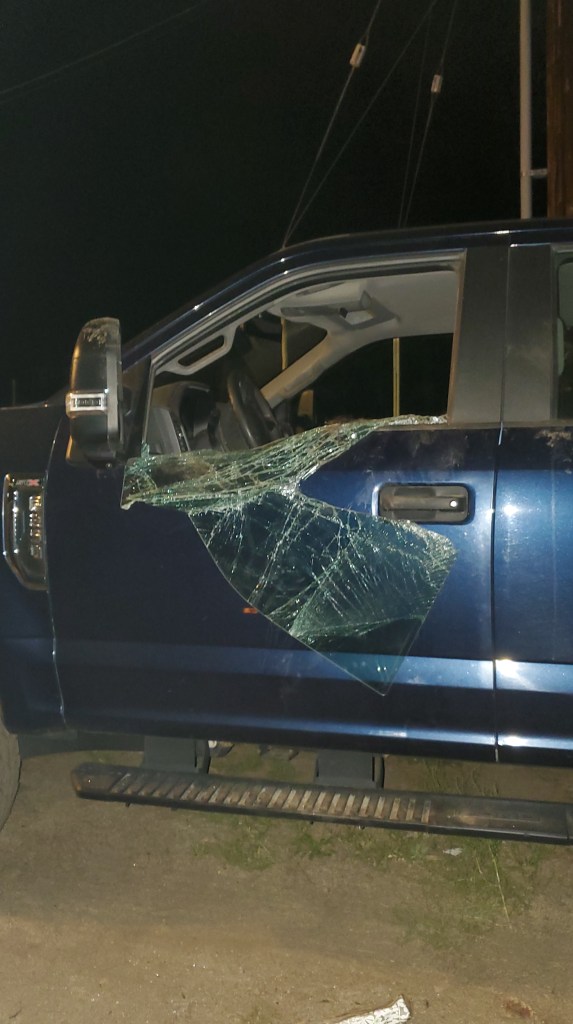
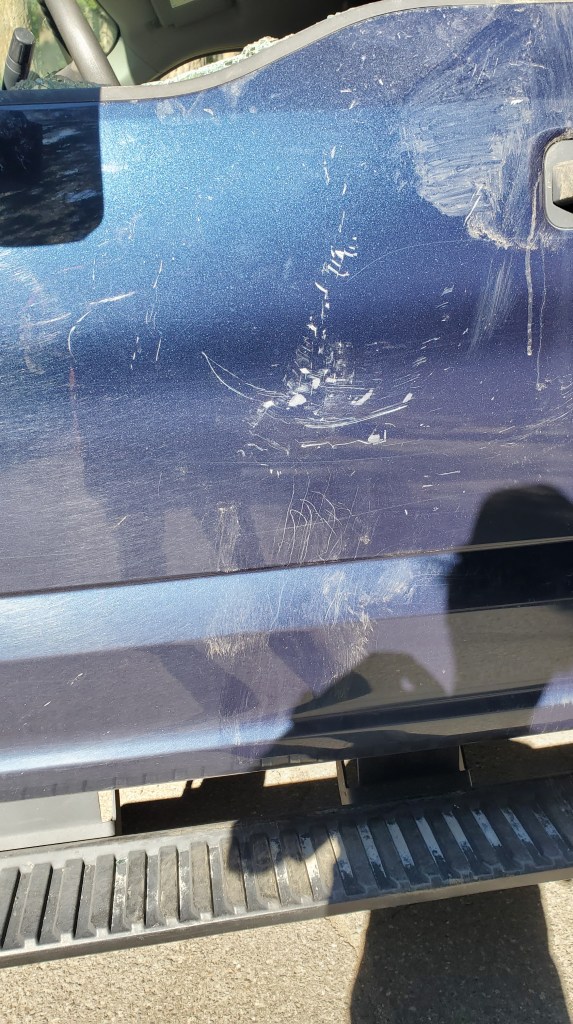
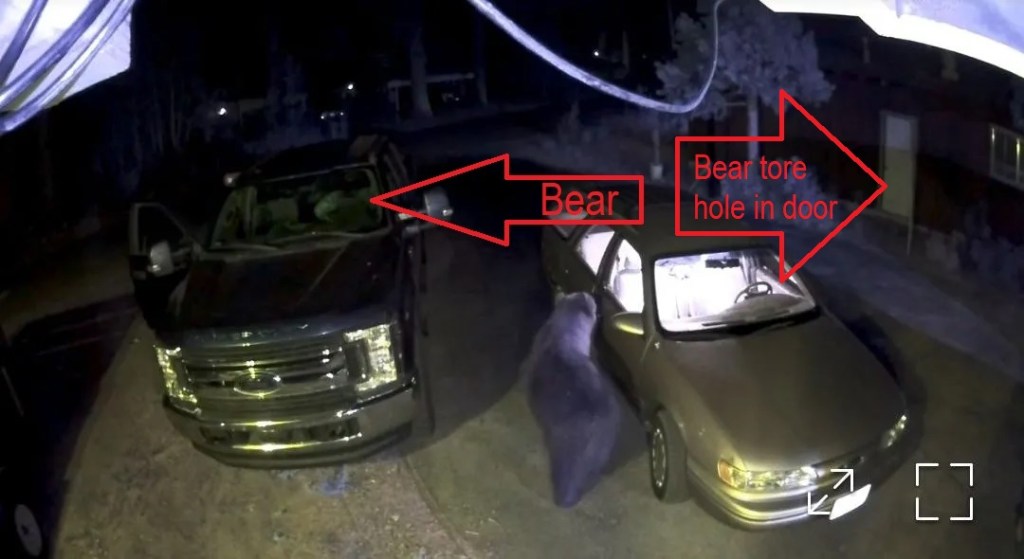
After bears break into truck, they try to open car – turning on light…but that doesn’t bother them.
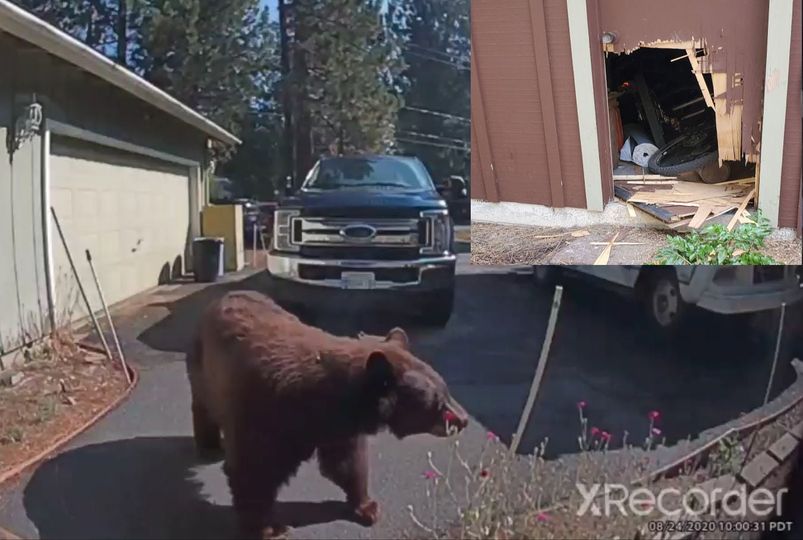
BLACK BEAR REPEATEDLY TEARS HOLE IN FENCE THAT WAS RECENTLY REPLACED BECSUSE OF EXTENSIVE BEAR DAMAGE.
Bear too lazy to go around fence, tears hole in it. California Dept. of Fish & Wildlife doesn’t care.
Repetitive repairs become costly for homeowners. This is not acceptable bear behavior.
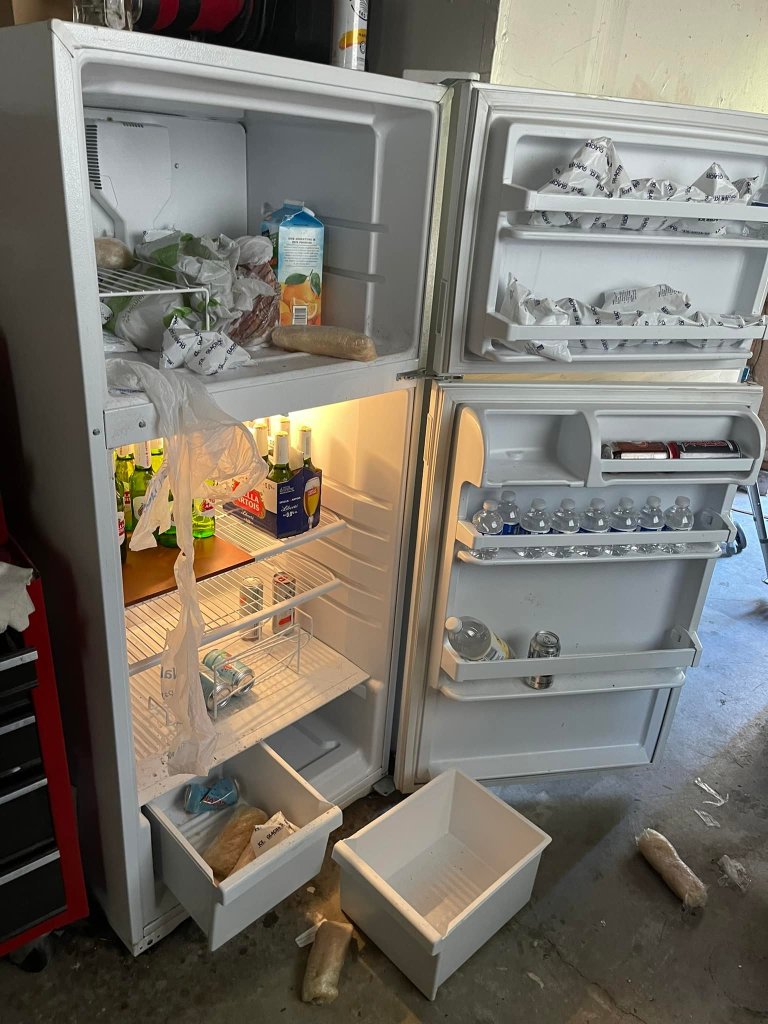
Black bear ransacks another South Lake Tahoe home.

Bear Naked Truth
The Food-Habituated Tahoe Keys Bears
Goings-on with black bears in the Tahoe Basin and beyond
- February 17, 2022
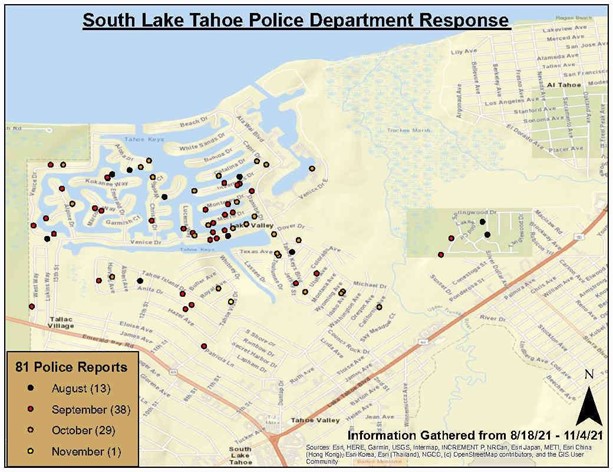
Map of documented bear responses from the South Lake Tahoe Police Department from Aug. 18 through Nov. 4, 2021. Map courtesy of South Lake Tahoe PD.
The following post was written with the best information CDFW had at the time. Since this post was published, new information has come to light regarding incidents in the Tahoe Keys neighborhood. Please see the February 24, 2022, post “DNA Evidence Prompts Revised Response to Tahoe Keys Bear Incidents” for the most updated information.
The California Department of Fish and Wildlife (CDFW) is conducting a special trapping effort for a specific male bear, weighing approximately 500 pounds, in the Tahoe Keys area of South Lake Tahoe. These traps represent official state business to capture a specific and “severely food-habituated bear” defined as a conflict bear under CDFW’s 2022 Black Bear Policy in California. Food-habituated means that the animal has lost its fear of people and is associating people with access to food.
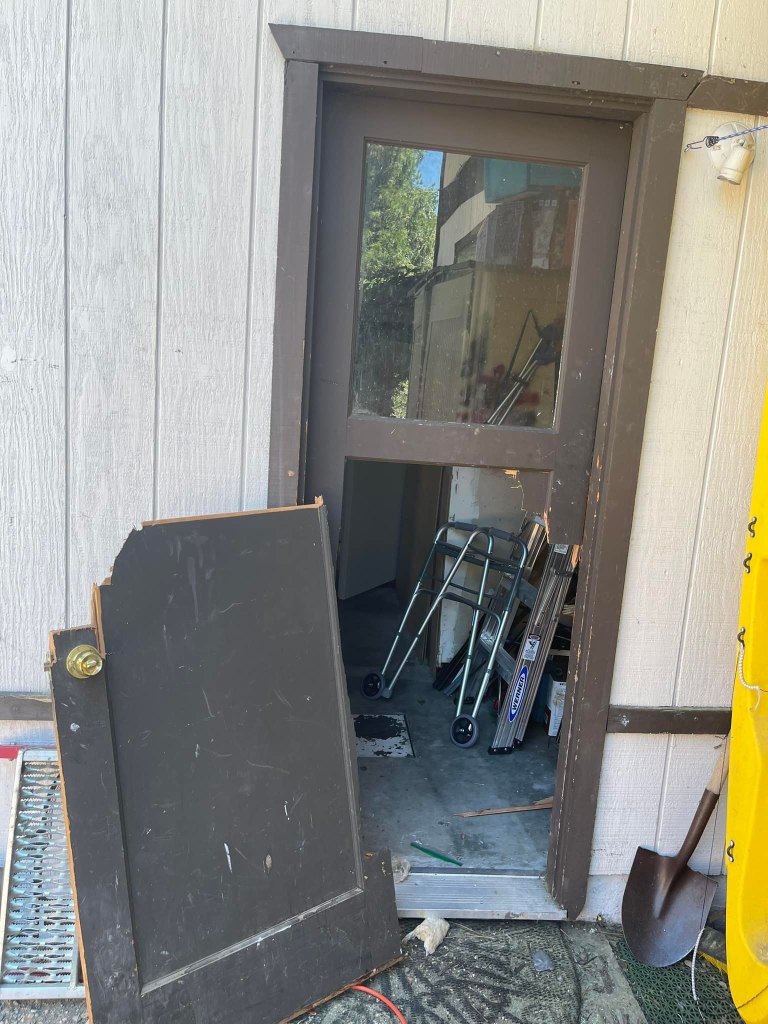
For more than seven months, and despite intense hazing and other mitigation efforts, this bear has caused extensive property damage in 33 documented cases and forcefully entered at least 28 homes in and near the Tahoe Keys (see map above). This bear is extremely food-habituated and has used its immense size and strength to break in and through front doors and garage doors. There have been, at last count, 102 individual reports of local police responses to this bear, including multiple hazing events to discourage the bear from breaking into homes and seeking human food sources.
When combining CDFW data with information from local police agencies, CDFW has 152 reports of conflict behavior from this animal. This bear is readily identifiable due to its exceptionally large size and dark coat with lighter muzzle. Additionally, CDFW has collected the bear’s DNA and created a DNA profile to allow for 100 percent accurate identification of the bear. All other bears captured will be ear tagged, hazed away from human food sources, and released by our wildlife professionals in the nearest appropriate habitat.
While the Lake Tahoe area has a healthy and dense bear population, euthanizing an animal is always our last option. CDFW is currently evaluating the possibility of placement of this bear when captured. As detailed in our recently updated Black Bear Policy in California, there are several requirements that must be met to consider placement of a wild adult black bear.
Placement of adult black bears can have significant negative consequences on their mental health and must be considered when evaluating placement options. To quote from our Black Bear Policy: “Adult bears may be poor candidates for placement due to the chronic stress of adjusting to captivity after living in only wild conditions.” To be considered, placement facilities must be accredited, have necessary state and federal permits to receive animals, and meet CDFW’s standards for quality of facilities. At the time of this post, CDFW has not identified a placement option for this bear that meets the criteria of the Black Bear Policy.
A very good article about the Tahoe Black Bears by Jordan Fisher Smith spent 21 years as a park and wilderness ranger in California, Wyoming, Idaho, and Alaska. He is the author of the memoir Nature Noir: A Park Ranger’s Patrol in the Sierra and Engineering Eden: A Violent Death, a Federal Trial, and the Struggle to Restore Nature in Our National Parks, which won a California Book Award and was long-listed for the PEN/E.O. Wilson Award for Literary Science Writing. He lives in the northern Sierra Nevada.
Unbearable living situation: Bear under Altadena home showing no signs of leaving
ttps://youtu.be/jEDJ-9Hy1R4?si=yj0fiSmDuEUjM0ms
 The Tahoe Bear